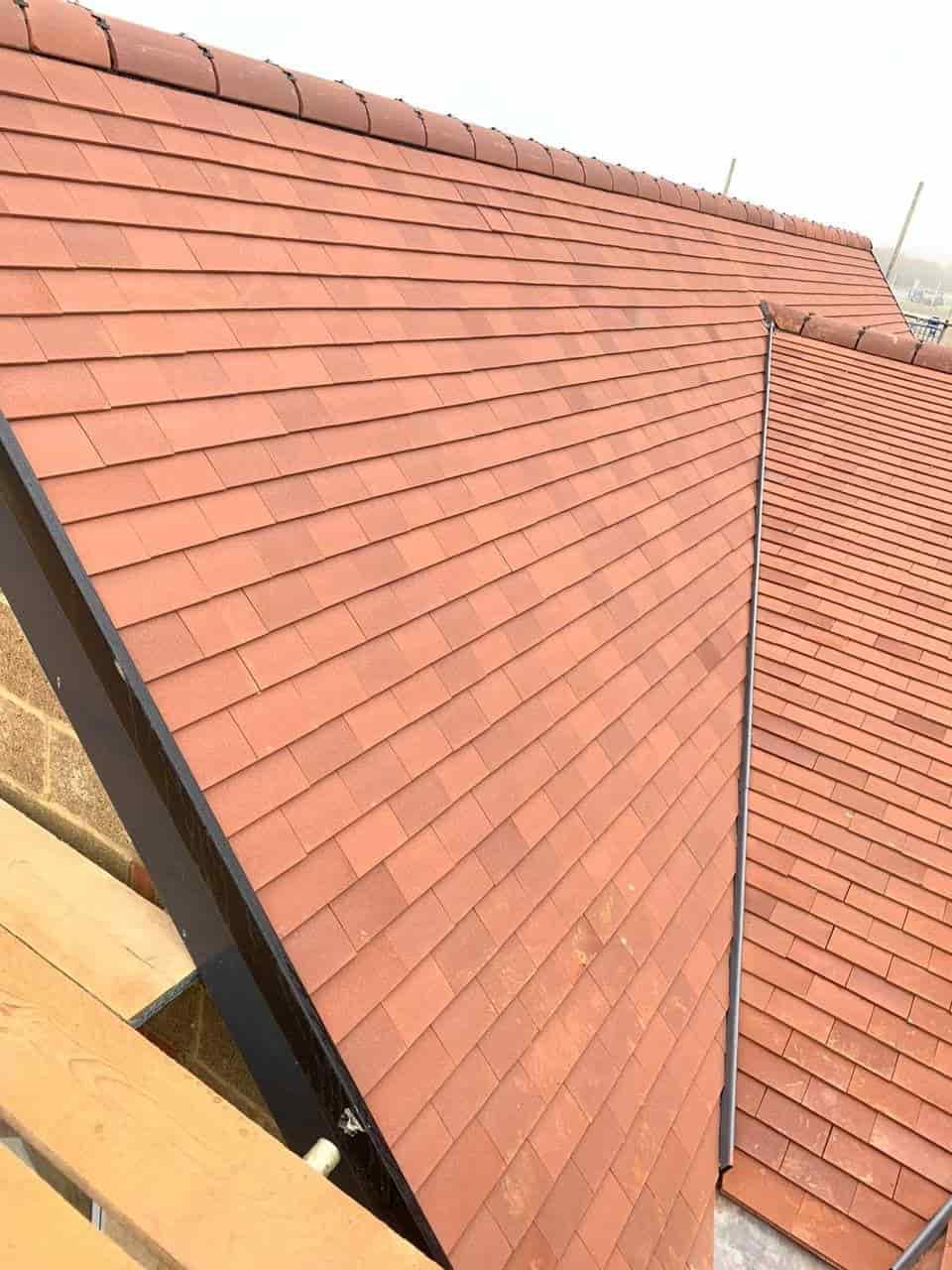
Many homeowners assume that a newer property will be free from roofing problems for many years. While modern roofing systems are designed to be durable and reliable, roof damage can still occur on relatively new homes. A roof does not need to be decades old to experience issues, and some problems can develop surprisingly early if certain conditions are present.
For homeowners in Gillingham, Kent, understanding the causes of roof damage on newer properties can help identify issues early and prevent minor defects from becoming more significant concerns. At Gillingham Roofing Services, we regularly inspect and repair roofs of all ages, including those on recently built homes.
Severe Weather Can Affect Any Roof
Regardless of a roof’s age, it remains exposed to the same weather conditions as older properties. Strong winds, heavy rainfall, storms, and fluctuating temperatures can all place stress on roofing materials.
Common weather-related issues include:
- Dislodged roof tiles
- Damaged flashing
- Loose ridge tiles
- Wind-driven water penetration
Even a newly installed roof can sustain damage during extreme weather events.
Poor Installation Work
One of the most common causes of early roof problems is poor workmanship during installation. Roofing materials may be high quality, but if they are not fitted correctly, issues can arise much sooner than expected.
Potential problems include:
- Incorrect tile fixing
- Poor flashing installation
- Inadequate ventilation
- Weak mortar applications
Professional roofing inspections can often identify installation-related defects before they cause extensive damage.
Faulty or Damaged Flashing
Flashing plays a crucial role in preventing water ingress around chimneys, roof valleys, vents, and roof junctions. If flashing becomes damaged or was not installed correctly, leaks can develop even on relatively new roofs.
Signs of flashing problems may include:
- Damp patches in loft spaces
- Water stains on ceilings
- Leaks during heavy rainfall
- Visible gaps around roof features
Flashing repairs are among the most common roofing maintenance tasks.
Storm Debris and Impact Damage
Falling branches, airborne debris, and other objects can damage roofing materials regardless of their age.
Impact damage may result in:
- Cracked roof tiles
- Broken slates
- Damaged gutters
- Hidden structural issues
Following severe weather, it is always sensible to have the roof inspected for signs of damage.
Blocked Gutters and Poor Drainage
A roof relies on effective drainage to remove rainwater safely. Blocked gutters can cause water to back up and overflow onto roofing components.
Potential consequences include:
- Water pooling
- Damp roof edges
- Accelerated wear
- Localised leaks
Routine maintenance helps ensure drainage systems continue to perform effectively.
Defective Roofing Materials
Although modern roofing materials are manufactured to high standards, occasional defects can occur. In some cases, individual tiles or roofing components may fail prematurely.
Possible signs include:
- Cracking or splitting
- Surface deterioration
- Unusual discolouration
- Premature wear
Professional inspections can determine whether specific materials require replacement.
Inadequate Roof Ventilation
Ventilation is a vital part of any roofing system. Without proper airflow, moisture can accumulate within the roof space and contribute to long-term problems.
Poor ventilation may lead to:
- Condensation
- Damp conditions
- Mould growth
- Reduced roofing performance
Even newer roofs can experience issues if ventilation is insufficient.
Structural Movement and Settlement
New homes naturally undergo a period of settlement as the building adjusts to its environment. In some cases, minor structural movement can affect roofing components.
This may contribute to:
- Cracks in mortar
- Tile movement
- Flashing displacement
- Small gaps developing around roof features
Professional monitoring helps ensure these issues are identified and addressed appropriately.
Lack of Routine Inspections
Many homeowners assume a new roof does not require any attention. However, small defects can still develop and worsen if they go unnoticed.
Regular inspections help identify:
- Early signs of wear
- Storm damage
- Loose materials
- Drainage issues
- Flashing defects
Preventative maintenance can significantly reduce the likelihood of larger repairs later.
Why Professional Roof Maintenance Matters
A relatively new roof should provide years of protection, but that does not mean problems are impossible. Regular inspections and timely repairs help maximise performance and lifespan.
At Gillingham Roofing Services, we provide:
- Roof inspections
- Roof repairs and maintenance
- Leak detection
- Tile and slate replacement
- Flashing repairs
- Storm damage assessments
- Professional roofing services throughout Gillingham, Kent
Our experienced team helps homeowners keep their roofs in excellent condition regardless of age.
Conclusion
Roof damage is not limited to older properties. Severe weather, installation issues, damaged flashing, blocked gutters, poor ventilation, and natural building settlement can all contribute to roofing problems on relatively new homes. Identifying these issues early is the best way to protect the property and maintain long-term roof performance.
For homeowners in Gillingham, Kent, regular inspections and professional maintenance provide valuable peace of mind and help ensure that newer roofs continue to perform as intended. At Gillingham Roofing Services, we offer expert roofing solutions designed to keep properties safe, weatherproof, and protected throughout the year.
Call us on: 01634 561193
Click here to find out more about Gillingham Roofing Services
Click here to complete our contact form and see how we can help with your roofing needs.